

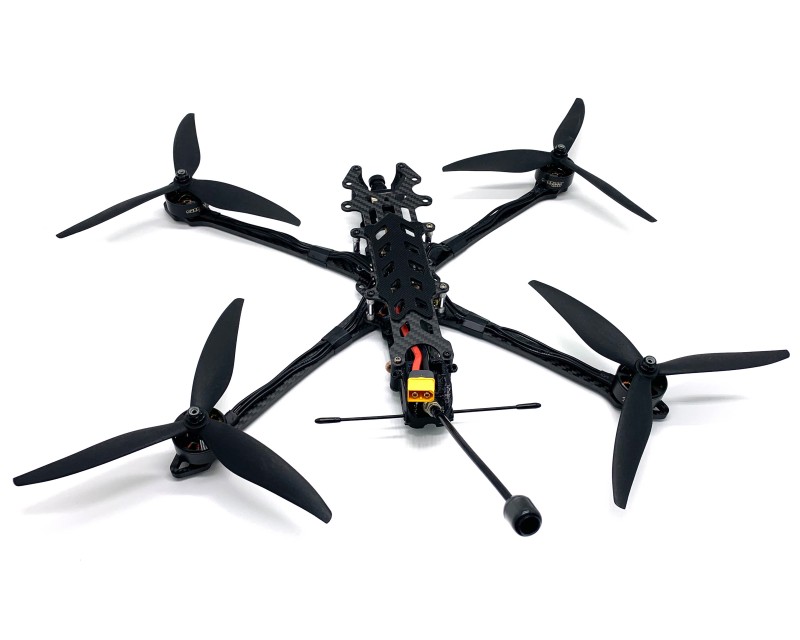
A carbon fiber drone that meets operating standards requires a comprehensive design of its design and structure, selection of reliable raw materials, a comprehensive production process, and rigorous performance testing to achieve its intended functions.
1. Design Phase: Gather requirements and functions, create 3D models using tools such as CAD, and determine the exterior shape and internal structure.
2. Material Selection: Select the appropriate carbon fiber and resin type based on performance requirements, choose the carbon fiber prepreg processing method based on the process, and prepare the appropriate molds.
3. Prepreg Cutting: Perform preliminary cutting of the carbon fiber prepreg according to the dimensions of the drone components to facilitate subsequent layup and processing.
4. Prepreg Laying: Lay the carbon fiber prepreg according to the corresponding dimensions (length, width, and thickness). Optimize the layup at corners to avoid incomplete coverage that could affect performance after molding.
5. Prepreg Curing: The prepreg layers, along with the mold core (which may include a vacuum bag), are placed into the outer mold and then placed in a hot press. Heat and pressure are applied for a period of time to allow the prepreg to gradually cure.
6. Finishing: After curing, the prepreg is demolded to ensure the carbon fiber grain is correct. The prototype carbon fiber drone components are then finished to remove burrs and bumps, fill pits and gaps, and subsequently sand and polish.
7. Drone Assembly: The carbon fiber drone components are assembled into a complete system. After verifying the structure, other components (such as the flight controller, sensors, and battery module) are installed one by one. Cables are arranged and optimized based on the structure. Additional modules (such as cameras) are then installed based on their functions.
8. Drone Testing: The basic modules, including motors, sensors, electronics, and circuitry, are tested for proper function. Flight capability is then tested, including low-altitude, short-duration observation flights and stability. Flight performance is then optimized based on operational requirements to improve flight safety and flight time.
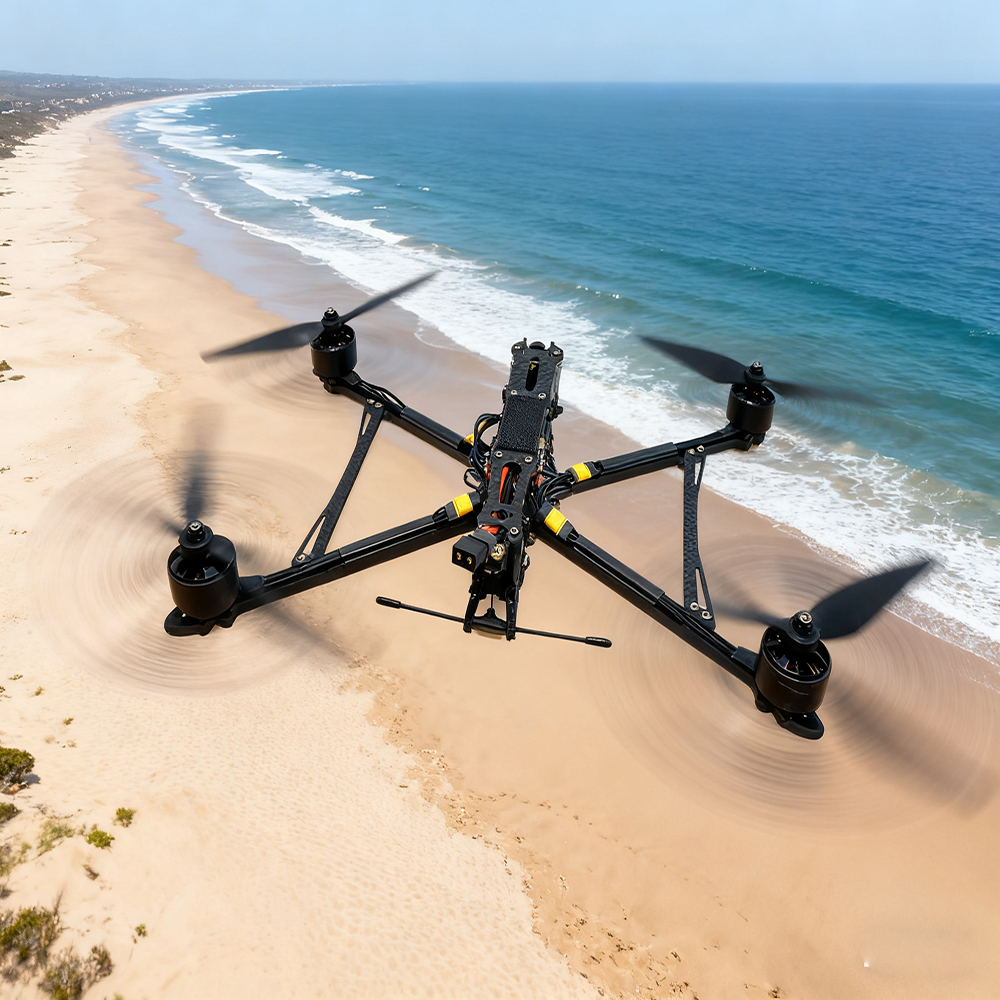
Manufacturing a qualified carbon fiber drone takes a long time. From the carbon fiber prepreg layup to curing, the fastest process takes three days, and this processing time increases as the drone grows in size. Carbon fiber drones come in both multi-rotor and fixed-wing configurations, but these are smaller. have longer production cycles and higher costs. With the surge in domestic carbon fiber production capacity, the production costs of both civilian carbon fiber drones are becoming increasingly diluted, and production cycles are also shortening with advances in processing technology and the addition of modern equipment.
Established in 2006, XiongYiHua specializes in R&D, production, processing, and global trade of insulation materials and engineering plastics. As a National High-Tech Enterprise, "Specialized & Sophisticated" SME, and Guangdong Renowned Brand, we empower industries including smart grids, renewable energy, 5G infrastructure, and high-end equipment manufacturing with tailored material solutions.
E-mail: xyh@xiongyihua-plastic.com
Add: NO.2 Longxian Road,Xinsheng Community,Longgang Street,Longgang District,
Copyright © 2025 Technology Co., LTD All rights reserved
SitemapThis website uses cookies to ensure you get the best experience on our website.
 Español
 Portugues
 Pусский
 Français
 Deutsch
 العربية
 ไทย
ไทย Türk dili
 Tiếng Việt



 Phone
Phone
Comment
(0)